
Exploring the Vibrant World of Traditional West African Recipes
If you’ve ever craved a culinary adventure that bursts with bold flavors, rich aromas, and colorful presentations, then diving into traditional West African recipes is like opening a treasure chest of taste! 🌍✨ From spicy stews to hearty grains, West African cuisine is a celebration of culture, history, and community. I’m thrilled to take you on this flavorful journey where every bite tells a story and every dish invites you to savor the warmth of the region’s heritage.
Discovering the Heart of Traditional West African Recipes
West African cooking is a vibrant tapestry woven from diverse cultures and ingredients. It’s a place where spices dance, and every meal feels like a festive gathering. What makes these recipes so special? It’s the perfect blend of fresh ingredients, bold spices, and time-honored techniques passed down through generations.
Imagine the smoky aroma of grilled suya (spiced meat skewers) wafting through the air or the comforting warmth of a bowl of jollof rice, rich with tomatoes and peppers. These dishes are more than food; they’re a way of life. The use of ingredients like yams, plantains, peanuts, and chili peppers creates a symphony of flavors that’s both exciting and comforting.
If you want to explore even deeper, check out this collection of authentic west african foods that truly capture the essence of the region’s culinary magic.
The Staples That Define West African Cooking
When you think of traditional West African recipes, certain staples immediately come to mind. These ingredients form the backbone of many dishes and are essential to recreating the authentic taste at home.
Rice and Grains: Jollof rice is the superstar here, but you’ll also find fonio and millet used in various dishes.
Tubers and Roots: Yams and cassava are often boiled, fried, or mashed to accompany stews.
Legumes: Black-eyed peas and peanuts add protein and texture.
Spices and Herbs: Scotch bonnet peppers, ginger, garlic, and fresh herbs like basil and thyme bring the heat and aroma.
Palm Oil: This deep red oil is a signature ingredient, lending a unique flavor and color to many dishes.
These staples are combined in countless ways to create meals that are hearty, spicy, and utterly satisfying. Whether you’re simmering a rich egusi soup or frying crispy plantains, the ingredients tell a story of tradition and innovation.

What is the Most Popular West African Dish?
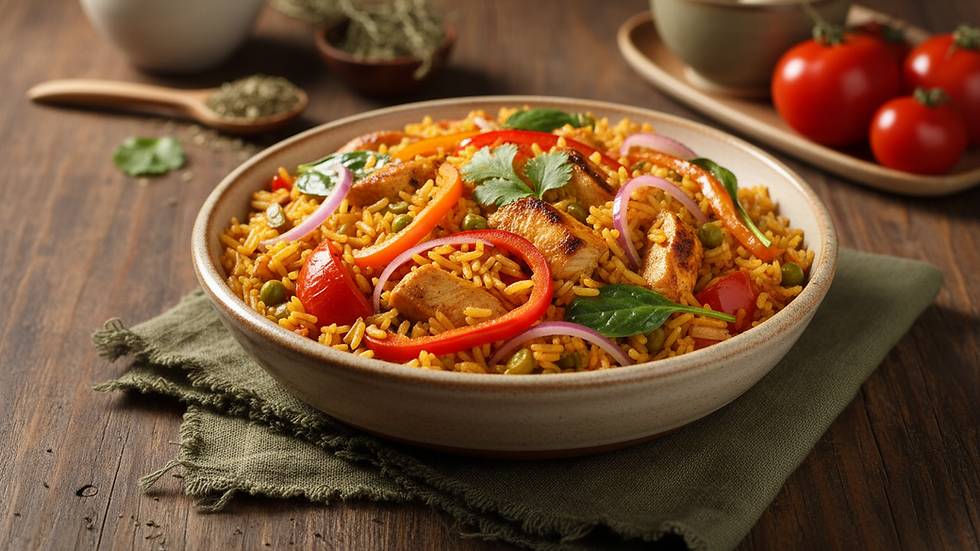
If I had to pick one dish that reigns supreme across West Africa, it would be Jollof Rice. This beloved dish is a vibrant, one-pot wonder that’s as versatile as it is delicious. Made with rice cooked in a rich tomato sauce, infused with peppers, onions, and a blend of spices, jollof rice is often served with grilled meats, fried plantains, or steamed vegetables.
What makes jollof rice so special? It’s the perfect balance of smoky, spicy, and savory flavors that can be customized to suit any palate. Each country in West Africa has its own twist on the recipe, making it a delightful culinary rivalry that food lovers adore!
Other popular dishes include:
Egusi Soup: A thick, hearty soup made from ground melon seeds, often served with pounded yam.
Suya: Spicy grilled meat skewers, perfect for snacking or a main course.
Fufu: A starchy side made from pounded cassava or yams, ideal for dipping into soups and stews.
These dishes showcase the diversity and richness of West African cuisine, inviting you to explore and experiment with flavors.
Spices and Flavors That Ignite Your Senses
One of the most exciting aspects of West African cooking is the fearless use of spices. These ingredients don’t just add heat; they create layers of flavor that make every bite an adventure.
Scotch Bonnet Peppers: Known for their fiery kick, these peppers are a staple in many dishes.
Ginger and Garlic: These aromatics add warmth and depth.
Cloves and Nutmeg: Used sparingly, they bring a subtle sweetness and complexity.
Smoked Paprika and Chili Powder: For that smoky, spicy punch.
Cooking with these spices is like painting with bold colors on a canvas. They awaken your taste buds and invite you to savor the richness of each dish. Don’t be shy to experiment with spice levels to find your perfect balance!
Bringing West African Flavors Into Your Kitchen
Ready to bring the vibrant world of West African cuisine into your own kitchen? Here are some practical tips to get you started:
Start Simple: Try making jollof rice or a basic egusi soup to get familiar with the flavors.
Source Ingredients: Visit local markets or specialty stores to find fresh spices, palm oil, and traditional grains.
Use Fresh Herbs: Fresh basil, thyme, and parsley can elevate your dishes.
Experiment with Heat: Adjust the amount of Scotch bonnet peppers to suit your spice tolerance.
Pair with Relaxing Teas: After a spicy meal, enjoy a soothing cup of hibiscus or ginger tea to balance the heat.
Cooking these dishes is not just about feeding your body; it’s about nourishing your soul with the warmth and hospitality that West African food embodies. Plus, sharing these meals with friends and family creates moments of joy and connection.
Exploring traditional West African recipes is like embarking on a flavorful journey filled with warmth, spice, and history. Whether you’re a seasoned foodie or just curious, these dishes offer a delicious way to experience a rich cultural heritage. So, grab your apron, gather your ingredients, and let the vibrant world of West African cuisine inspire your next meal! 🍲🔥
Happy cooking and bon appétit!

Comments